Materials & Care
Stevies is made of sterling silver or 14k gold — metals responsive by nature: warming with your skin, catching light as you move, picking up gentle marks, and tarnishing naturally over time.
Silver
Silver, known in the ancient world as argentum, was at one time thought to be more precious than gold because it appeared less commonly in nature. Pure silver, like pure gold, is soft and is therefore often alloyed. Though many metals may be used, copper is preferred because it greatly toughens the alloy without distracting from the bright shine of silver.
Sterling silver, an alloy composed of 92.5% silver, is the standard material used in jewellery making and silversmithing, and the primary alloy used throughout my work.
Silver darkens, brightens, softens, and shifts depending on where you go and what you do. Regular wear keeps it polished, and tarnish will often soften naturally with skin contact. When left exposed to air, silver will slowly oxidize and darken.
To keep your silver bright when it’s unworn store it in an air-tight container and regularly polish with a treated cloth, then rinse with mild dish soap and warm water and pat dry.
Gold
Gold was likely the second metal worked by early humans, discovered shortly after copper, with finely crafted gold objects dating back as early as 3000 B.C. Its durability, workability, and enduring appeal have made it a foundational material in jewellery across cultures and centuries.
Pure (fine) gold is naturally very soft and therefore unsuitable for most jewellery applications. To increase strength and wearability, it is alloyed with other metals. This process not only enhances hardness, but also influences colour, malleability, and melting point. Silver and copper are the most commonly used alloying metals, though others may also be introduced depending on the desired characteristics.
The proportion of gold within an alloy is measured in karats, a term denoting purity and not to be confused with carat, which refers to weight. Karat values are expressed as fractions of 24, for example, 18k gold contains 18 parts gold out of 24, or 75% pure gold. By law, gold described as 18k must contain at least 75% gold, while the composition of the remaining alloying metals is not regulated.
Stevies works primarily with 14k gold, an alloy composed of 58.3% gold and 41.7% other metals, selected for its balance of durability, longevity, and suitability for everyday wear.
Gold requires minimal care and does not readily tarnish. A gentle polish will restore its natural shine, and over time, fine surface marks may develop — evidence of wear and use. Should you wish to restore a higher shine, a local jeweller can easily refresh your piece for a modest fee.
Everyday Care (Optional, but Helpful)
Jewellery is meant to be worn — but removing it during sleep, workouts, bathing, or hands-on work can help extend its life. I rarely follow my own advice, but it does help.
Softer, more porous stones like opals, turquoise, and pearls appreciate a gentler approach. Clean these with a soft, damp cloth and remove them before prolonged contact with water. Harder stones such as diamonds, sapphires, garnets, and rubies can be cleaned with mild soap, warm water, and a soft toothbrush, followed by a good rinse and gentle drying. For extra sparkle, these stones can occasionally be professionally cleaned.
Avoid prolonged contact with harsh chemicals, cosmetics, or strongly mineralized water, as these can speed up tarnish. Swimming or bathing in natural water is generally fine — just be sure to dry your piece afterwards so moisture doesn’t linger.
When your jewellery needs a rest, tuck it into a pouch or box. When it doesn’t — wear it.
Thoughtfully hand-packed
Stevies works with local suppliers wherever possible and plans shipping intentionally to limit the number of times each piece travels, helping reduce our overall ecological footprint.
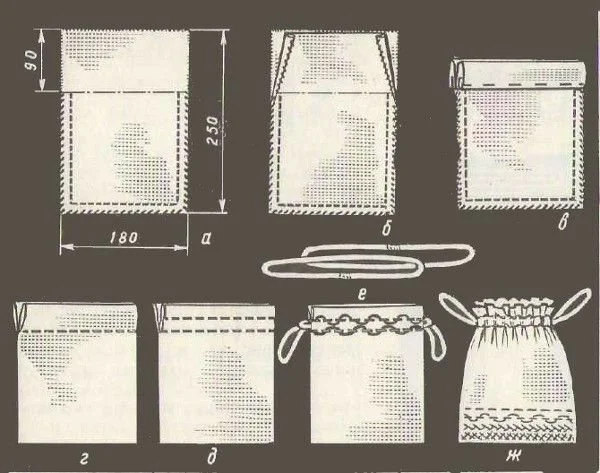
Each jewellery pouch is handmade by me using fabric sourced from second-hand shops and repurposed specifically for shipping. No two are the same, and all are made to be kept, reused, or passed along.
Small decisions, made slowly, add up.
Packaging is treated as part of the object — considered, useful, and made with care.